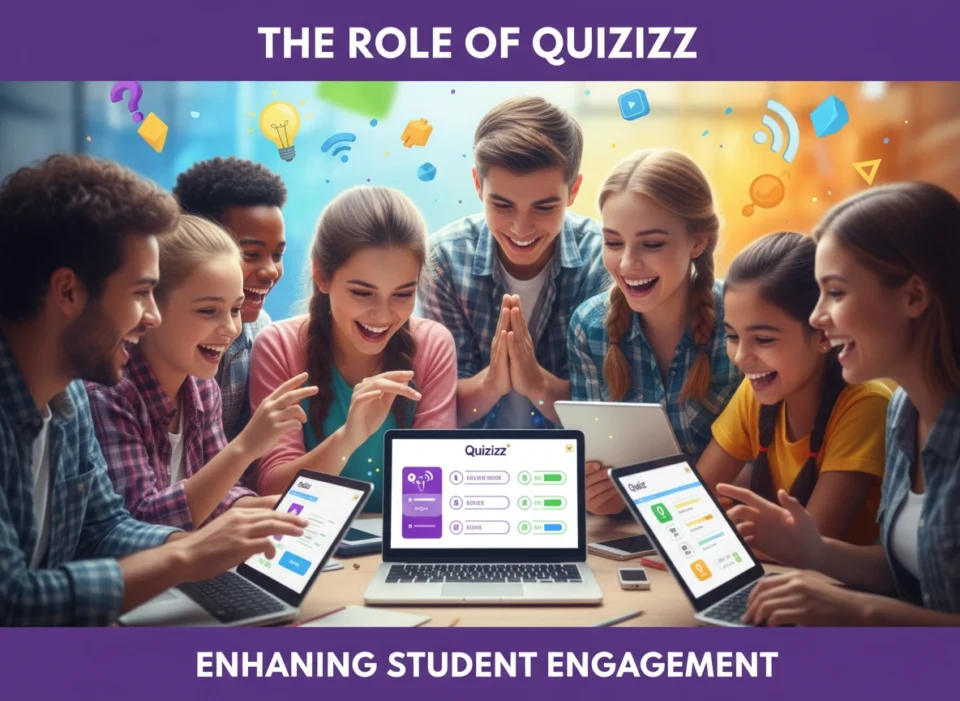
Educators constantly face the hurdle of keeping students focused and ensuring they actually remember what they learn. Traditional lectures often fall short when competing for the attention of modern learners. Interactive learning platforms have emerged as a powerful solution to bridge this gap, transforming passive listeners into active participants.
This article explores how integrating interactive tools, specifically looking at the mechanics behind platforms like Quizizz, shifts the classroom dynamic. You will learn about the core features that drive participation, the cognitive science behind knowledge retention, and practical ways to implement these strategies in your own educational setting.
The Challenge of Keeping Students Engaged
Maintaining focus in a classroom environment requires more than just compelling subject matter. Students experience cognitive overload when presented with long periods of uninterrupted instruction. When learners disengage, their ability to process and store new information drops significantly.
Educators notice this disengagement through missed assignments, low participation in discussions, and poor performance on summative assessments. To counter these issues, teachers need tools that break up direct instruction and require frequent, low-stakes interaction. By shifting the focus from the teacher delivering content to the student actively interacting with it, classrooms become dynamic environments where learning feels less like a chore and more like an engaging challenge.
What Makes Interactive Learning Different?
Interactive learning fundamentally changes how students process information. Instead of simply receiving data, students must continuously retrieve, apply, and test their knowledge. This active participation forms the foundation of modern pedagogical strategies.
When educators use game-based learning platforms, they tap into intrinsic motivation. Students want to succeed, improve their scores, and master the material. This method aligns with the principles of active learning, where frequent low-stakes testing reduces test anxiety and builds confidence. The immediate feedback loop provided by interactive platforms allows students to correct misconceptions in real-time, preventing incorrect information from taking root in their long-term memory.
Key Features Driving Engagement
Understanding the specific features that make interactive platforms effective helps educators maximize their utility. Here are the core mechanics that drive student participation.
Gamification Elements
Gamification applies game-design elements to non-game contexts. Features like points, streaks, avatars, and friendly competition transform standard quizzes into highly anticipated events. When a student answers a question correctly and sees their avatar move up a leaderboard, the brain releases dopamine. This positive reinforcement encourages them to stay focused and try harder on subsequent questions. Friendly competition motivates students to review material beforehand, naturally increasing their study time without mandatory homework assignments.
Self-Paced Learning
Unlike traditional slide-based quizzes where the whole class must wait for the slowest reader, self-paced learning allows students to answer questions at their own speed. This drastically reduces anxiety for students who need more time to process information or read complex questions. Faster learners remain engaged because they do not have to wait for the rest of the class to catch up. This individualized pacing ensures that every student experiences a level of challenge appropriate for their cognitive speed.
Instant Feedback Mechanisms
Timely feedback is critical for learning. When a student takes a traditional paper quiz, they might wait days to receive their grade. By that time, they have forgotten their thought process behind the answers. Interactive platforms provide immediate feedback after every question. If a student answers incorrectly, they instantly see the correct answer and often a brief explanation. This immediate correction helps them adjust their understanding on the spot, turning mistakes into valuable learning moments rather than permanent points lost on a grade book.
Boosting Knowledge Retention Through Retrieval Practice
Engagement is only half the battle; retention is the ultimate goal. Cognitive science tells us that the act of recalling information strengthens neural pathways, making future recall easier. This concept, known as retrieval practice, forms the backbone of why interactive quizzes are so highly effective for long-term retention.
When students participate in frequent, low-stakes quizzes, they practice retrieving information from their memory. This repeated retrieval halts the “forgetting curve”—the natural decline of memory retention over time. Spacing out these interactive sessions over several weeks further cements the knowledge. By revisiting older topics through quick interactive games, educators ensure that foundational concepts remain fresh in students’ minds, ultimately leading to better performance on comprehensive exams.
Real-World Applications in the Classroom
Educators across various disciplines have successfully integrated these interactive strategies to solve specific classroom challenges. The versatility of these platforms allows for multiple implementation methods.
Formative Assessments
The most common application is formative assessment. Teachers use short, interactive quizzes at the end of a lesson to gauge understanding. Because the data is collected instantly, the teacher immediately sees which concepts the class grasped and which ones require reteaching the following day. This real-time data allows for agile lesson planning, ensuring educators do not move on to advanced topics before the foundational skills are secure.
Interactive Homework Assignments
Assigning asynchronous interactive quizzes for homework increases completion rates. Students are more likely to complete a gamified digital assignment on their phones or tablets than a traditional paper worksheet. Educators can set deadlines and allow multiple attempts, encouraging students to practice until they achieve mastery.
Pre-Assessment and Review
Before starting a new unit, teachers can deploy a diagnostic quiz to assess prior knowledge. This helps tailor the upcoming lessons to the students’ actual skill levels. Similarly, before a major exam, hosting a live review session using an interactive platform energizes the room. It highlights areas where students need to focus their independent study time and builds collective confidence.
Measurable Benefits for Educators
The benefits of interactive platforms extend beyond student motivation; they offer significant advantages for the educators facilitating the learning.
Detailed analytics dashboards provide teachers with granular insights into student performance. Educators can see exactly which question tripped up the most students, how much time the average student spent on a specific problem, and which individuals might need targeted intervention. This data-driven approach removes the guesswork from teaching. Instead of assuming the class understands a topic based on a few nods, teachers have concrete metrics to guide their instructional decisions.
Furthermore, the extensive libraries of pre-made content available on platforms like quizizz save teachers countless hours of preparation time. Educators can easily duplicate, modify, and customize existing quizzes to fit their specific curriculum needs, allowing them to focus more energy on direct student interaction and less on administrative tasks.
Elevating the Educational Experience
Transitioning from traditional, passive instruction to an interactive, gamified model creates a profound shift in classroom culture. By leveraging tools designed to stimulate active recall and provide instant feedback, educators can dramatically improve both engagement and long-term knowledge retention.
To start experiencing these benefits, choose one upcoming lesson and convert the end-of-class review into an interactive, self-paced game. Monitor the shift in student participation and use the resulting data to guide your next instructional steps. Embracing these active learning strategies will help you build a more dynamic, responsive, and ultimately successful learning environment.
