Guest posting remains one of the most effective strategies for building brand authority, expanding your audience, and driving targeted visitors to your website. When executed correctly, it establishes you as an industry thought leader while improving your search engine visibility. However, many marketers and writers struggle to see meaningful results from their outreach efforts.
Often, the problem lies not in the concept of guest posting itself, but in how people execute their strategy. From sending generic pitches to ignoring the target publication’s audience, small errors quickly sabotage your chances of getting published. Even worse, poorly executed posts can harm your brand reputation.
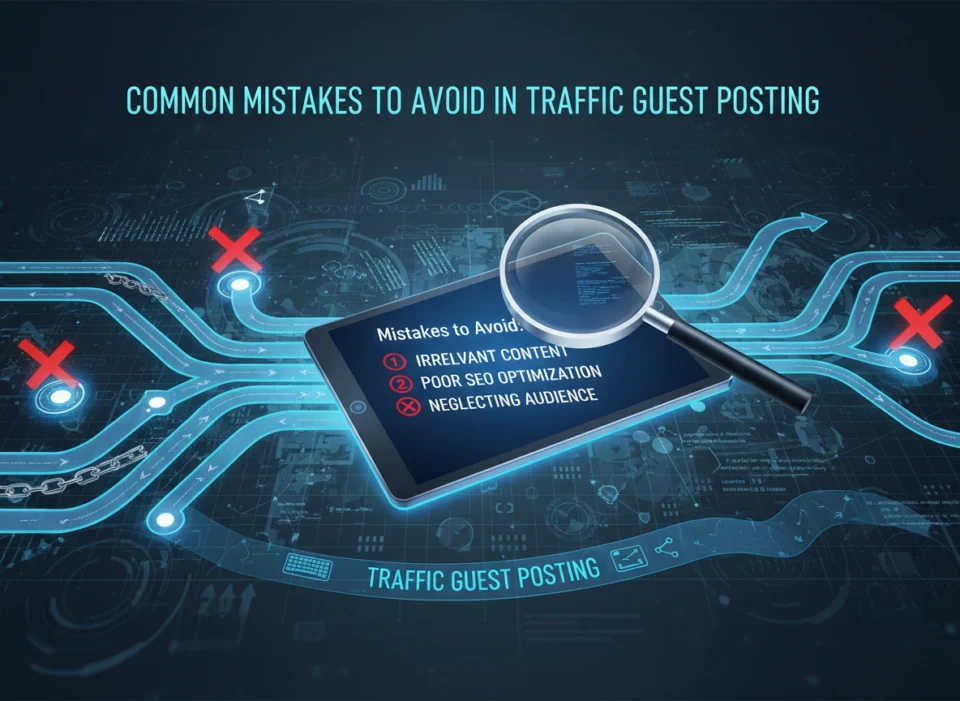
This guide breaks down the most frequent missteps content creators make during the outreach and writing process. By understanding these pitfalls, you can refine your approach, secure better placements, and maximize the return on your content investments. Here are the common mistakes to avoid.
Failing to Research the Target Audience
One of the quickest ways to earn a rejection from an editor is pitching a topic that their audience does not care about. Many writers focus entirely on what they want to promote, rather than what the target publication’s readers need to learn.
Every blog has a specific demographic, skill level, and core focus. A highly technical marketing blog will reject a beginner-level guide to social media, just as a small business blog will reject a complex tutorial on enterprise software development.
Before you write a pitch, spend time reading the target website. Look at their most popular articles, read the comment sections, and analyze the general tone. Ask yourself what problems their readers face and how your expertise can solve those specific issues. Tailoring your topic to the exact needs of the audience proves to the editor that you respect their platform.
Ignoring Editorial Guidelines
Editors create contributor guidelines for a reason. These documents outline exactly what the publication expects regarding word count, formatting, tone, and link policies. Ignoring these rules guarantees your pitch will end up in the trash folder.
Many writers skim the guidelines or skip them entirely in a rush to send out more pitches. This approach backfires. If an editor specifically requests a pitch via a Google Form and you send them an email, you have already failed the first test. If they state they only accept posts over 1,500 words and you submit an 800-word draft, you waste everyone’s time.
Read the guidelines thoroughly before you reach out. Follow instructions exactly as written. This attention to detail shows professionalism and makes the editor’s job easier, which significantly increases your chances of acceptance.
Creating Low-Quality, Thin Content
Securing a “yes” to your pitch is only half the battle. You still have to deliver a high-quality article. Unfortunately, some writers view guest posts as a chore, submitting rushed, surface-level content that provides zero real value.
Publishers want content that makes their website look good. They expect well-researched pieces backed by data, clear examples, and actionable advice. Thin content—articles that state the obvious without offering deep insights—will damage your relationship with the editor and fail to engage the readers.
Treat every guest post with the same care and dedication you apply to the content on your own website. Include relevant statistics, cite credible sources, and provide step-by-step instructions that the reader can implement immediately. High-quality content builds trust, encouraging readers to click through to your site to learn more from you.
The Dangers of Keyword Stuffing
While SEO optimization matters, forcing exact-match keywords into every paragraph makes your writing sound robotic. Keyword stuffing frustrates readers and alerts editors that you care more about search rankings than delivering a good user experience. Focus on writing naturally. Use variations of your target phrases and prioritize readability above all else.
Poor Pitching Strategies
Your pitch serves as your first impression. If it looks spammy, lazy, or irrelevant, you lose the opportunity before the editor even reads your ideas.
Relying on Generic Email Templates
Editors receive dozens of guest post requests every single week. They can spot a copy-and-pasted template from a mile away. Opening an email with “Dear Webmaster” or praising a random article you clearly never read destroys your credibility instantly.
Take the time to personalize your outreach. Address the editor by name. Mention a specific, recent article you enjoyed and explain why it resonated with you. Present two or three clear, compelling topic ideas that fill content gaps on their site. A customized pitch stands out in a crowded inbox and shows that you value a genuine partnership.
Missing the Mark on Link Placement
The primary goal of contributing content is often to earn a backlink, but being overly aggressive with your links will get your post rejected. Editors despise content that reads like a thinly veiled advertisement for your company.
Linking to your home page or product pages directly within the body text often violates editorial guidelines. Instead, focus on providing contextual, helpful links. If you reference a complex concept that you have covered extensively on your own blog, link to that educational resource. For those looking to streamline their strategy and secure quality placements, exploring professional traffic guest posting services can help ensure your links add value rather than appearing spammy.
Always include a mix of internal links (pointing to the publisher’s other articles) and authoritative external links. This shows you care about the overall quality of the piece, not just your own metrics.
Neglecting the Author Bio
Your author bio is your dedicated space to shine, yet many writers treat it as an afterthought. A bland or missing bio wastes a prime opportunity to drive traffic and build your personal brand.
This small paragraph is where you tell readers exactly who you are, why they should trust you, and what they should do next. Instead of just stating your job title, highlight your expertise. Include a clear call-to-action (CTA) directing readers to a specific landing page, a lead magnet, or your social media profiles. Give them a compelling reason to step away from the article and visit your website.
Failing to Promote the Published Post
The relationship with a publisher does not end once the article goes live. Editors expect you to help drive traffic to the piece you wrote. Failing to promote your guest post is a missed opportunity to build goodwill and maximize the reach of your work.
Share the published article across your social media channels. Send it out to your email newsletter subscribers. Tag the publication and the editor when you post about it online. Engaging with readers who leave comments on the post also shows your commitment to the community. By actively driving traffic to the publisher’s site, you establish yourself as a valuable partner, making it much easier to pitch them again in the future.
Giving Up After One Rejection
Guest posting requires resilience. Even the best writers face rejection or silence from editors. Giving up after a few ignored emails is a critical mistake that will stunt your growth.
Editors are incredibly busy. Sometimes your pitch gets lost in their inbox, or your proposed topic simply conflicts with their upcoming content calendar. A rejection is rarely a reflection of your writing skills.
Implement a polite follow-up system. If you do not hear back after a week, send a brief, friendly check-in email. If they decline your ideas, ask if there are other topics they currently need covered. Persistence, combined with a willingness to adapt, eventually leads to successful placements.
Conclusion
A successful outreach strategy requires patience, research, and a commitment to quality. By taking the time to understand your target audience and respecting editorial guidelines, you immediately separate yourself from the majority of writers sending out sloppy pitches.
Focus on building genuine relationships with editors rather than just hunting for backlinks. Craft personalized pitches, write comprehensive, engaging content, and actively promote your published work. When you avoid these common mistakes and prioritize delivering real value, your guest posting efforts will consistently drive targeted traffic and elevate your brand authority. Start auditing your current outreach process today, refine your templates, and focus on delivering content that publishers simply cannot refuse.
